

Web development is the work of building and running software that lives in the browser (and often on a server behind it). If web design decides what the experience should feel like, web development makes that experience real: pages load, forms submit, payments clear, and data stays consistent when two users act at once.
In 2026, "web development" usually means far more than editing HTML in Notepad. It is APIs, auth, databases, deployment pipelines, and monitoring.
If you are past the brochure stage and need production engineering, Qwabi Engineering covers custom web builds for SA startups.
Front-end vs back-end vs full-stack
Front-end development
Front-end engineers work on what runs in the user's browser or in a native shell that renders web tech:
- HTML for structure
- CSS (often Tailwind CSS) for layout and visual rules
- JavaScript / TypeScript for behaviour
- Frameworks like React, Next.js, or Vue
They integrate with design systems, handle loading and error states, and obsess over performance (Core Web Vitals, bundle size, image formats).
Back-end development
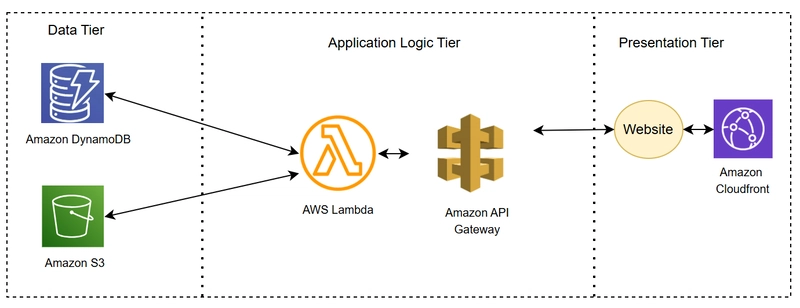
Back-end engineers own logic that should not live in the browser:
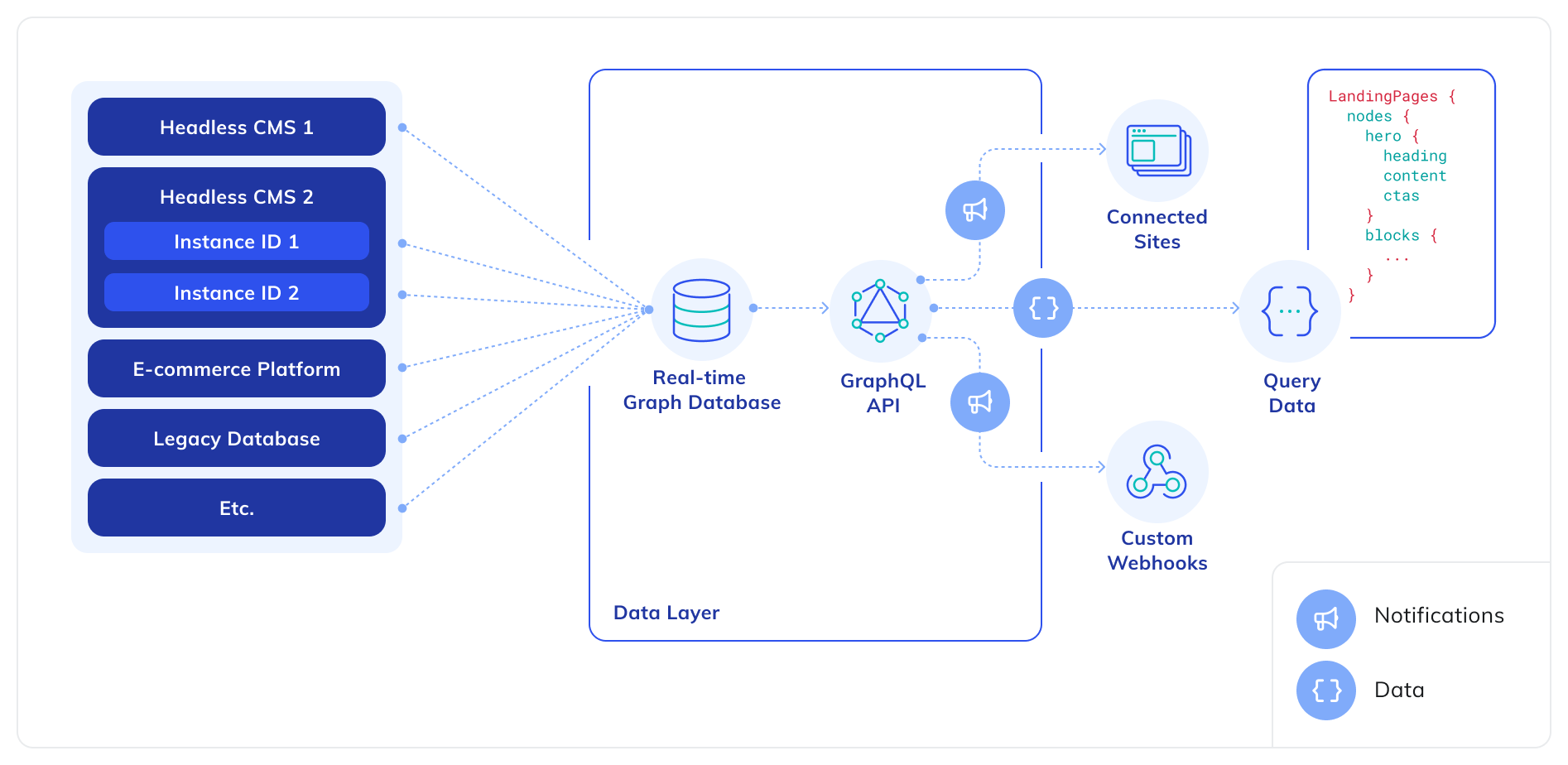
- REST or GraphQL APIs
- Authentication and permissions
- Databases (Postgres via Supabase, MongoDB, etc.)
- Background jobs, webhooks, email
- Integration with Paystack, SMS gateways, CRMs
Full-stack development
Full-stack means one team or person covers both sides with judgment about where logic belongs. Many South African startups hire full-stack early because headcount is tight. The risk is shallow depth on security or mobile-specific issues if nobody reviews architecture.
What web development is not
- Not only WordPress plugin tweaks (that is a subset).
- Not the same as mobile app development (store binaries, push notifications, NFC), though React Native and Expo blur the line.
- Not "drag-and-drop builder" unless you accept vendor limits. Builders are valid; they are not the whole profession.
For apps that span phone, web, and admin, see What is application development?.
Modern practices in 2026
TypeScript by default
Typed JavaScript catches an entire class of bugs before deploy. For client work I default to 

Component-driven UI
Reusable components (buttons, cards, forms) speed delivery and keep accessibility consistent. Tools like shadcn/ui sit on top of Radix primitives for sensible defaults.
API-first thinking
Even if the first UI is web-only, a clean API makes mobile and partner integrations cheaper later. Document endpoints early.
Infrastructure as code and managed services
Teams use Vercel, Netlify, or cloud runtimes on GCP/AWS/Azure instead of hand-SSHing servers. Databases often start on Supabase or Firebase for speed, then migrate when scale demands.
CI/CD and previews
Every pull request gets a preview URL. Tests run before merge. This is baseline hygiene for a custom software development engagement, not a luxury.
Security and secrets
Environment variables, least-privilege database roles, Row Level Security (RLS) on Supabase, webhook signature verification. AI-assisted coding does not remove this work.
Observability
Structured logs, error tracking (Sentry and peers), uptime checks. When Paystack webhooks fail at 2 a.m., you need a trace.
Typical project phases
- Discovery: Goals, users, constraints, compliance.
- Architecture: Stack, data model, integrations, hosting region.
- Design handoff: Mockups or wireframes aligned with components.
- Implementation: Sprints, demos, staging environment.
- QA: Devices, browsers, payment test modes, edge cases.
- Launch: DNS, SSL, production keys, backups.
- Iterate: Analytics, performance, feature two.
Skipping discovery shows up as "we need to rebuild auth in month four."
Web development vs web design (again, briefly)
| Question | Design answers | Development answers |
|---|---|---|
| What should the user feel? | Mood, hierarchy, brand | N/A |
| Can we ship this flow? | Prototype | Working code + data |
| Will it work on mobile data? | Layout choices | Performance budget |
| Can we take payments? | Checkout UX | Paystack integration, webhooks |
Examples from real products
Marketing + lead capture. Static or SSR (Server-Side Rendered) site on Next.js, form to CRM, WhatsApp handoff. Low complexity, high copy and performance bar.
Authenticated web app. React SPA or Next.js with Supabase auth, RLS policies, role-based UI. Medium complexity, security bar rises.
Marketplace. Customer app, provider app, admin, real-time status, payouts. High complexity. This is where a senior app development company partner pays off.
Public examples from my portfolio include Queens Connect (AI-assisted community product) and Kingly (developer tooling). Each needed web development discipline, not only a landing page.
Choosing a software development company in South Africa
Look for:
- Shipped production references, not only mockups
- Clear ownership of repo, cloud account, and domains
- Honest scope on mobile app development if you need store releases
- Payment and data handling experience (Paystack, POPIA-aware processes)
- Maintenance story after launch
Red flags: fixed price with no discovery, "we use AI so it is instant," no staging environment, or you do not get the git repo.
Cost and timeline (realistic ranges)
Small marketing sites with tight scope can land in weeks. Custom web apps with auth and payments often run 8–16+ weeks for a solid MVP, depending on integrations and design readiness. Ballpark figures belong in a scoped brief, not a blog footnote.
Use the project scope estimator if you want a structured starting point in ZAR terms.
How I work
I am Ayabonga Qwabi, senior product engineer in Queenstown, with about ten years across GCP, AWS, and Azure. I build with React, Node, TypeScript, Python, and modern backends (Supabase, Firebase) when they fit the product.
I am not an agency with account managers. You get the engineer who writes the architecture and the tricky integration code.
Explore Services for TaaS-style partnerships and product engineering. For vertical-specific builds (fintech, logistics, health), see solutions and related pages.
Tools worth knowing (developers)
- Editor agents: Cursor, Claude Code (see AI tools for building apps in 2026)
- Hosting: Vercel, Netlify, cloud runtimes
- Data: Supabase, Postgres, MongoDB where document models fit
- Payments: Paystack for South African flows
Founders do not need to master this list. You need a partner who does.
Next step
Ready to move from concept to deployed web product?
- Get a quote with your feature list and timeline.
- WhatsApp if you prefer a short voice note and a link.
- Read What is web design? if you are still shaping the experience.
Web development is the execution layer. Done well, it is what makes your idea survive contact with real users.