The Easiest Payment Gateway Integrations for Your Next React/Next.js E-commerce Project in South Africa (2026 Edition)
Building an e-commerce app in South Africa in 2026? You need payments that actually work for our market: cards, instant EFT, QR codes, low fees, and, most importantly, setup that doesn't take two weeks of KYC hell.
As a full-stack JS dev who's shipped multiple React/Next.js shops here in Joburg, I've battle-tested the popular gateways. Here's my honest ranking of the easiest ones to integrate right now, prioritized for speed, dev experience, and React-friendliness.
No fluff. Just what saves you time when you're grinding solo or with a small team.
Quick Ranking (Easiest First)
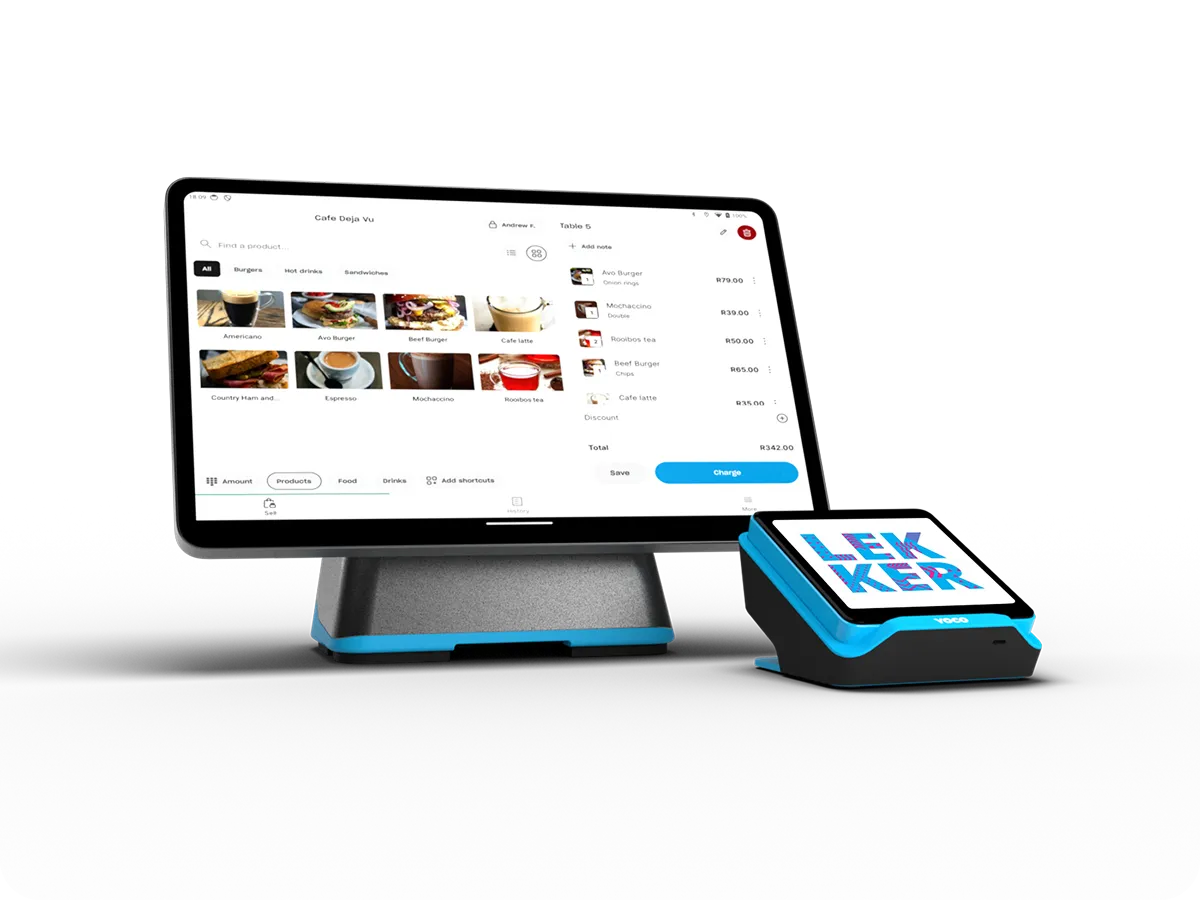
Yoco Online Checkout: Hands-down winner for speed
iKhokha (iK Pay API): Great if you like signed payloads
PayFast by Network: OG form-post method (zero backend secrets)
Ozow: Instant EFT king (pair it with something for cards)
Peach Payments: Scaling vibes with embeds
Bonus:Paystack: If you want modern popup polish
Let's break them down.
1. Yoco Online Checkout (Easiest Hands-Down)
Signup: Minutes. No heavy business verification, just grab your API keys from the portal. Integration: Clean REST API. Create a checkout session from a Next.js API route (or Server Action), get a redirectUrl, send the user there (or embed if supported). Sandbox: Full test environment + sandbox keys. Best for: Card-first shops, quick MVPs. Why it's dev-friendly: Minimal code. POST to /api/checkouts, handle redirect. Works perfectly with fetch in API routes.
Example flow in Next.js (pseudo-code):
// app/api/create-checkout/route.ts
import { NextResponse } from 'next/server';

export async function POST(request: Request) {
  const body = await request.json();
  const res = await fetch('https://online.yoco.com/v1/checkouts', {
    method: 'POST',
    headers: {
      Authorization: `Bearer ${process.env.YOCO_SECRET_KEY}`,
      'Content-Type': 'application/json',
    },
    body: JSON.stringify({
      amountInCents: body.amount * 100,
      currency: 'ZAR',
      // ... other fields
    }),
  });
  const data = await res.json();
  return NextResponse.json({ redirectUrl: data.redirectUrl });
}
2. iKhokha (Signed Payloads : Your Control Classic)
Signup: Simple: get app ID + secret. Integration: POST to their endpoint with HMAC-SHA256 signature (use crypto in Node).
Sandbox: No full sandbox (live keys only), but test small amounts. Best for: Custom flows where you want full control. Trick: Generate the signed link in an API route, return it to React for redirect.
Example
Integration: POST a JSON payload signed with HMAC-SHA256 using Node's crypto module. A class-based wrapper keeps things reusable and secure. Make sure to pull config values from instance properties (not globals) to avoid scoping bugs.
Although I have to say their docs could use some TLC😅
3. PayFast by Network (Form-Post OG : Still Solid)
Signup: Lengthy verification (send business docs), but once approved → fire. Integration: No API server secrets needed! Build a hidden form and auto-submit to their URL. Perfect for client-side React (use useEffect or button click). Sandbox: Yes! merchant_id = 10000100, merchant_key = xxxxxxxxBest for: Hosted checkout with zero backend exposure. Downside: Redirect-heavy, feels a bit old-school compared to embeds.
Example
export function postToURL(url, values) {
  console.log(values);
  values = values || {};

  var form = createElement('form', {
    action: url,
    method: 'POST',
    style: 'display: none',
  });

  for (var property in values) {
    if (values.hasOwnProperty(property)) {
      var value = values[property];
      if (value instanceof Array) {
        for (var i = 0, l = value.length; i < l; i++) {
          form.appendChild(
            createElement('input', {
              type: 'hidden',
              name: property,
              value: value[i],
            }),
          );
        }
      } else {
        form.appendChild(
          createElement('input', {
            type: 'hidden',
            name: property,
            value: value,
          }),
        );
      }
    }
  }
  document.body.appendChild(form);
  form.submit();
  console.log('values', values);
  document.body.removeChild(form);
}

export default function postPaymentToPayFast({
  payFastUrl,
  merchantId,
  merchantKey,
  returnUrl,
  cancelUrl,
  notifyUrl,
  nameFirst,
  nameLast,
  emailAddress,
  paymentId,
  amount,
  itemName,
  itemDescription,
  emailConfirmation,
  confirmationAddress,
}) {
  // Sandbox merchant.
  if (merchantId == '10000100') {
    alert("Use the password 'clientpass' to login and make the test purchase.");
  }

  postToURL(payFastUrl, {
    merchant_id: merchantId,
    merchant_key: merchantKey,
    return_url: returnUrl,
    cancel_url: cancelUrl,
    notify_url: notifyUrl,
    name_first: nameFirst,
    name_last: nameLast,
    email_address: emailAddress,
    m_payment_id: paymentId,
    amount: amount,
    item_name: itemName,
    item_description: itemDescription,
    email_confirmation: emailConfirmation,
    confirmation_address: confirmationAddress,
  });
}
Signup: Fast for SA businesses. Integration: JSON API to create payment request → get link/QR. Fetch in API route. Best for: EFT-heavy users (cheaper than cards for many township customers). Pair it: With Yoco or PayFast for cards.
Many Next.js shops use Ozow as primary EFT + secondary cards.
5. Peach Payments (Enterprise but Dev-Friendly)
Signup: Business verification (faster than old days). Integration: Modern REST API, supports embedded checkout (no full redirect), server-to-server. JS libs on GitHub. Sandbox: Full test env. Best for: Scaling shops, recurring, high success rates.
Start with Yoco if you're shipping fast (most solo devs' go-to).
Add Ozow for EFT coverage (huge in our market).
Use Server Actions or API routes for secrets. Never expose keys client-side.
Test during load shedding (offline fallbacks + optimistic UI).
Always handle webhooks for confirmations (PayFast/iKhokha especially).
Which one are you rocking in your current project? Drop your wins, pains, or code snippets in the comments . Let's build better SA e-commerce together.