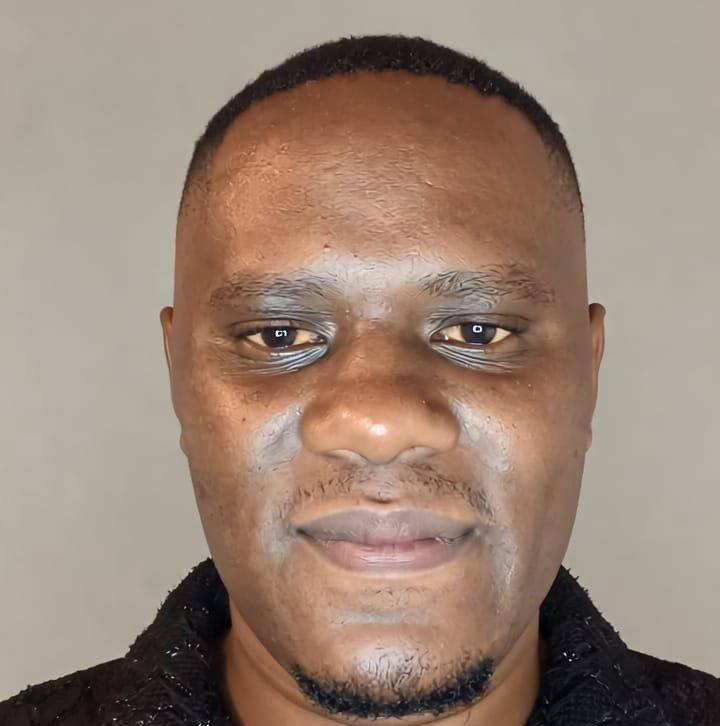
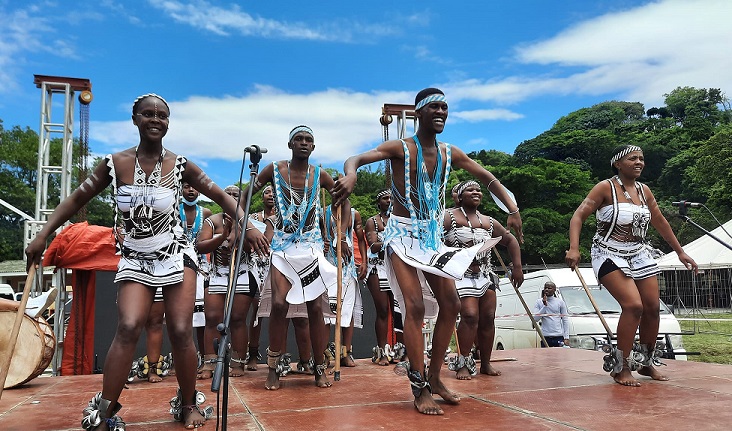
The Qwabi family are San (AbaThwa) people of the AmaQithi clan, tracing their origins to the banks of the White Kei River in the Lady Frere, Glen Grey, and Cacadu district of the Eastern Cape. They belong to the Joka family, a San lineage whose territory in the 1840s was centred on the village of Agnes on the White Kei River, an area associated with San chief Madolo and his people. The Qwabi family are not Thembu by origin, though they have assimilated into the AbaThembu nation over generations. Today the Qwabi surname is most commonly found in the Chris Hani District, with branches in Hala 2, Queenstown, and Ndlovukazi (Lesseyton).
Earliest known ancestors
The earliest confirmed ancestor in the Qwabi family line is Joka, a San man from the White Kei River area in Lady Frere. The Joka family is believed to have been among the San clans who lived under or near the authority of Chief Madolo (also known as Madura or Madoor), who led San people in the Glen Grey / Lady Frere area from around 1835 until 1856.
Joka had at least two known sons in oral history:
- Qwabi (Qwabi Joka) (born c. 1842 near Agnes, White Kei River)
- Gudu (whose descendants still live in Skhwanqeni and some in Steynsburg)
From these two brothers descend the main branches of the family that still exist today. The Gudu family remains closely connected. They are our cousins, and some still live at the old Bushman homestead in Skhwanqeni (Eskwanqeni).
Note: Oral tradition mentions Gudu, though he does not appear in the current GEDCOM records. Research into the full Joka family lineage is ongoing.
The children of Qwabi (full GEDCOM-verified list)
Qwabi fathered four known children (three sons and one daughter):
- Nosenti Qwabi (female, born 1861 in Glen Grey, Eastern Cape; died 1898 in Glen Grey / Lady Frere area, age 37). She was married at the time of her death. Her death was reported by a family member with the initial “B Qwabi” (almost certainly her brother Bushman). In the late 1800s, when surnames were not yet universally used, the single name “Qwabi” in the area almost certainly refers to our direct ancestor.
- Bushman (Boesman) Qwabi (male) — named deliberately to preserve the family’s San (AbaThwa) identity
- Halile Jonas Qwabi (male)
- Molosi (Oliphant) Qwabi (male) — named after Chief Moorosi of the Phuti people, a great San ally. Because Xhosa speakers found “Moorosi” difficult to pronounce, the name became Molosi. He was also nicknamed Oliphant (elephant) for his strength and bow legs.
Bushman had no sons, only daughters. To gain manpower for his homestead, he asked his brother Halile to lend him one of his sons — Bhangile. This arrangement was common in traditional Xhosa family structures when additional male labour was needed.
Bushman’s known children (GEDCOM):
- Grace Qwabi (married Robinson Bacela on 31 August 1946 in George)
- Makula Qwabi
- Mashiya Qwabi (died circa 1919; family records place him and his siblings in Steynsburg at the time)
- Sarah Qwabi (married in 1935, confirming the family had returned to Lady Frere by then)
In 1919, when Mashiya passed away, the family (including Molosi and Bushman with their children) was working in the Steynsburg area. They had returned to Lady Frere by 1935.
The story of Bhangile and the move to Hala 2
The story of Bhangile and the move to Hala 2
Bhangile Qwabi
(born July 1913 in Glen Grey; died 2003 in Lady Frere, Chris Hani; buried 2003 in Lady Frere) arrived in Skhwanqeni around 1958. Upon Bushman’s death, he inherited the homestead.
Life in the area was extremely difficult. Bhangile and his wife, Christina Nozolile Qwabi (died 2004 in Komani), lost at least four children in infancy or early childhood to pneumonia and bronchitis — tragedies that were all too common in those years. Heartbroken and exhausted by the hardships, his wife insisted they leave. They eventually relocated to Hala 2 (near Lady Frere).
Bhangile later became famously known in Hala 2 as “Sirayeli” (Israelite). This name came from his father Halile’s deep affiliation with the Church of God and Saints of Christ (AmaSirayeli).
It was while researching the roots of that very name that the full weight of our family’s pain came into focus. Halile Jonas Qwabi was not simply a devout member of the church — he was one of the many innocent men who died in the Bulhoek Massacre of 1921. He lies among those mercilessly buried in a mass grave, denied even the dignity of an individual burial. The apartheid government went so far as to erase any civil registration of his death, along with the others, as if they simply did not matter. The pain this system inflicted on our family — and on so many Black families across South Africa — remains unbearable to this day.
RIP Halile Jonas Qwabi. Your name and your story will not be forgotten.
The legacy of Molosi (Oliphant)
Molosi earned the nickname ”Oliphant” (elephant) from the Boer family his mother worked for — reportedly because he was short, very strong, and had bow legs.
Qwabi Joka named his son Molosi after Chief Moorosi of the Phuti people. Moorosi was one of the greatest allies the San (AbaThwa) ever had. He had San ancestry on his mother’s side, had San wives, witnessed San artists painting in caves, and during Moorosi’s War of 1879, San bowmen fought alongside his forces. The password used to access his mountain stronghold during the eight-month siege was “Moroa” — the Xhosa word for Bushman. When Moorosi fell in November 1879, the San lost their most powerful protector. Because Xhosa speakers found “Moorosi” or “Morosi” difficult to pronounce, the name became Molosi in family use.
Molosi’s known children (full GEDCOM + family elder corrections):
According to family elder Monwabisi Qwabi, Molosi’s children in approximate birth order were: Dumile, Kholiwe, Nobhayisekile, Roro (William), and Nomabali, together with Varhile, Amoria, Bennet, Caroline, George, and Yanki.
- Varhile Qwabi (eldest son — believed to have been left behind in Rustenburg / Steynsburg when the family returned to Lady Frere; he later changed his name in some records. He is historically significant as the eldest descendant in the direct male line from Qwabi. According to family tradition, the head of the Qwabi family is the eldest living descendant of Varhile.)
- Amoria Qwabi (married Mpitimpiti Bles, 12 May 1942, Queenstown)
- Bennet Qwabi (father of Gcinikhaya; died in a mine accident in Gauteng)
- Caroline Qwabi (born and died in Lesseyton, Cape Province)
- Dumile Qwabi (see below)
- George Qwabi (married Jessie Jikumlambo, 15 May 1939, Queenstown)
- Kholiwe Qwabi — had no children
- Nobhayisekile Qwabi — her children (in birth order): Lindelwa, Sandile, Thobile, Nontombi, Lona
- Rhorho / Roro William Qwabi — his children: Phumzo, Khululekile, Lungisile, Sandi, Mandisa, Mzoxolo
- Yanki Qwabi (married Agnes Evelina Ntlabati, 30 December 1947, Queenstown) — his children in seniority order: Zolelwa, Tenjiwe, Lindiwe, Neliswa, Sipho Rosin, Fumanekile, Boniswa, Mzukisi, Ntobeko, Nomaphelo (last born Amos)
My aunt Zingisa once met a girl in school named Ngcwele Qwabi from Graaf Reinet whom she believes could have been a cousin — possibly through the Varhile line. Archives for Varhile’s descendants are not yet fully indexed, but researchers expect better results within the next five years.
Dumile — a prominent figure in the family
Dumile Qwabi stands out as one of the most respected ancestors. He:
- Fought in World War 2
- Founded Qwabi Primary School in Lady Frere
- Played a key role in establishing the village of Hala 2, where the Qwabi family were among the first residents
Dumile helped relatives by allocating land in the Lady Frere area. It was through his influence that Bhangile’s family eventually settled in Hala 2.
Dumile’s known children : Malungelo, Poto, Mziwamadoda, Queen, Malungisa and Yamkela.
Military tradition in the Qwabi family
The Qwabi family has a long and proud history of military service:
- Qwabi Joka, Molosi, Dumile, and Yanki all served as soldiers, with Dumile and Yanki fighting in World War 2
- In more recent times, family members such as Monwabisi, the late Rosin, and Xolile continued this tradition
Other branches and name changes
- One male member of the Qwabi family left the Chris Hani District for Steynsburg and changed his surname to Pini. It is believed that members of the Pini family are distant cousins.
- The House of Dumile and the House of Bhangile live primarily in Hala 2, while other Qwabi branches are spread across Queenstown and Ndlovukazi (Lesseyton).
Qwabi village in Bulhoek
There is a village named Qwabi in the Bulhoek area (near Queenstown in the Chris Hani District). Its exact connection to our family lineage is still being researched.
You can view the location here: Qwabi Village, Bulhoek on Google Maps.
Full descendants of Joka (GEDCOM-verified lineage)
Below is the complete documented descendant tree from Joka, drawn directly from the family GEDCOM. (current generation not shown)
Joka (San patriarch, Agnes / White Kei River, Lady Frere)
└── Qwabi Joka (born c. 1842, died 1915)
├── Nosenti Qwabi (1861–1898)
├── Bushman (Boesman) Qwabi (named to preserve San identity)
│ ├── Grace Qwabi (m. Robinson Bacela)
│ ├── Makula Qwabi
│ ├── Mashiya Qwabi (d. ~1919, Steynsburg period)
│ └── Sarah Qwabi
├── Halile Jonas Qwabi (d. 1921, Bulhoek Massacre)
│ └── Bhangile Qwabi (1913–2003) m. Christina Nozolile Qwabi (d. 2004)
│ ├── Kungeka Qwabi (1958–1958)
│ ├── Siziwe Qwabi (1958–1958)
│ ├── Tamara Qwabi
│ ├── Lindilizwi Qwabi
│ ├── Mileka Qwabi
│ ├── Thembisa Qwabi
│ ├── Zingisa Rose Qwabi
│ └── Zolile Qwabi
└── Molosi (Oliphant) Qwabi (named after Chief Moorosi, Phuti-San ally)
├── Varhile Qwabi
├── Amoria Qwabi (m. Mpitimpiti Bles)
├── Bennet Qwabi (Gcinikhaya's father)
├── Caroline Qwabi (Lesseyton)
├── Dumile Qwabi
│ ├── Malungelo Qwabi
│ ├── Poto Qwabi
│ ├── Mziwamadoda Qwabi
│ ├── Queen Qwabi
│ ├── Malungisa Qwabi
│ └── Yamkela Qwabi
├── George Qwabi (m. Jessie Jikumlambo)
├── Kholiwe Qwabi (no children)
├── Nobhayisekile Qwabi
│ ├── Lindelwa
│ ├── Sandile
│ ├── Thobile
│ ├── Nontombi
│ └── Lona
├── Rhorho / Roro William Qwabi
│ ├── Phumzo Qwabi
│ ├── Khululekile Qwabi
│ ├── Lungisile Qwabi
│ ├── Sandi Qwabi
│ ├── Mandisa Qwabi
│ └── Mzoxolo Qwabi
└── Yanki Qwabi (m. Agnes Evelina Ntlabati)
├── Zolelwa Qwabi
├── Tenjiwe Qwabi
├── Lindiwe Qwabi
├── Neliswa Qwabi
├── Sipho Rosin Qwabi
├── Fumanekile Qwabi
├── Boniswa Qwabi
├── Mzukisi Qwabi
├── Ntobeko Qwabi
└── Nomaphelo Qwabi & Amos Qwabi (last born)
Preserving the story
This oral history, combined with the latest GEDCOM records and direct input from family elder Monwabisi Qwabi, represents what has been passed down and verified. Like many African family lineages, some details remain incomplete or vary slightly depending on the storyteller. Gaps exist — for example, Halile’s other possible sons beyond Bhangile, or the full extent of the Joka family beyond Qwabi Joka and Gudu. Family tragedies such as the early deaths of Bushman’s young children and Bhangile’s four young children to pneumonia and bronchitis highlight the harsh realities our ancestors faced.
If you are a member of the Qwabi family or have additional information, stories, photos, or corrections, please feel free to reach out. The goal is to document and strengthen the record for our children and grandchildren.
Key search terms for future generations: Qwabi family history Eastern Cape · Joka family Lady Frere · AmaQithi clan San people · AmaQithi AbaThwa · White Kei River San · Agnes Lady Frere Chief Madolo · Hala 2 Lady Frere · Bulhoek Qwabi · Dumile Qwabi · Ndlovukazi Lesseyton Qwabi · Sirayeli Bhangile · Halile Jonas Qwabi Bulhoek Massacre · Glen Grey Cacadu Qwabi · Yanki Qwabi children · Roro William Qwabi · Molosi Qwabi Oliphant Moorosi · Bushman Boesman Qwabi San · Qithi Village Rhodana Thembu San · AmaQithi izibongo clan praises