
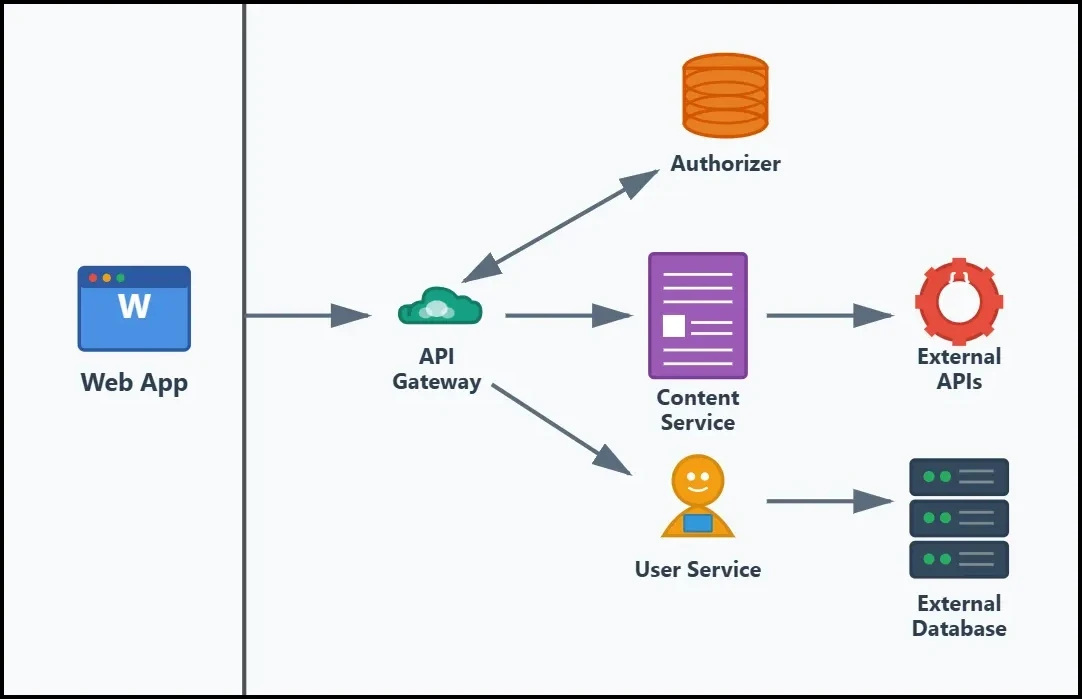
After years of building cloud-native applications, I have learned that the best architecture is often the simplest one that solves the problem at hand. Here are some lessons that have shaped my approach to cloud engineering.
Start Simple, Scale Intentionally
The temptation to over-engineer is real. We read about how big tech companies handle millions of requests per second and want to build the same infrastructure on day one. But most applications do not need that complexity from the start.
// Start with this
const getUser = async (id) => {
  return await db.users.findOne({ id });
};

// Not a distributed cache + queue + microservice
// unless you actually need it
The Cost of Complexity
Every architectural decision has a maintenance cost. That 
I have learned to ask: "What is the simplest solution that will work for the next 6-12 months?"
Serverless is Not Always the Answer
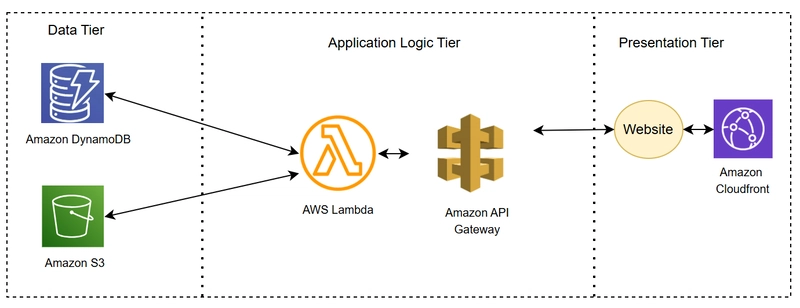
Serverless functions are powerful, but they have their place. Cold starts, execution time limits, and vendor lock-in are real considerations. Sometimes a simple container running on Cloud Run or App Engine is the better choice.
Database Design Matters More Than You Think
I have seen projects struggle not because of their application code, but because of poor database design. Take time to:
- Design your schema thoughtfully
- Consider your access patterns
- Plan for data growth
- Think about backup and recovery
Observability from Day One
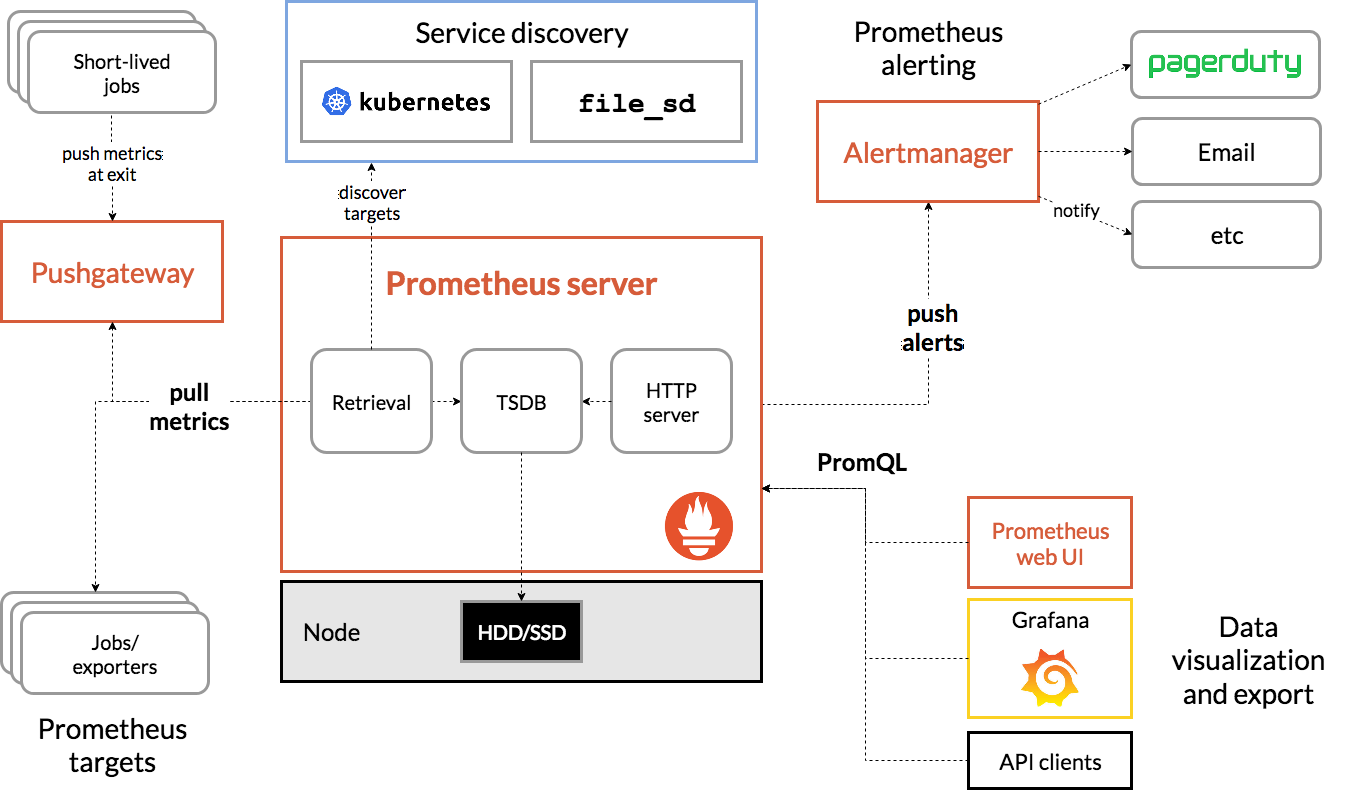
Add logging, monitoring, and tracing early. When something goes wrong in production, you will thank yourself.
Key metrics to track:
- Response times
- Error rates
- Resource utilization
- Business metrics (sign-ups, transactions, etc.)
Security is Not Optional
Every application I build now follows these principles:
- Least privilege access
- Secrets management (never in code)
- Input validation at every boundary
- Regular dependency updates
Final Thoughts
Cloud architecture is as much about judgment as it is about technical knowledge. Knowing what to build is just as important as knowing how to build it.
The best architects I have worked with share a common trait: they optimize for understanding. Their systems are not just functional; they are comprehensible to the teams that maintain them.
Build for the team that comes after you. Build for clarity. Build for change.