
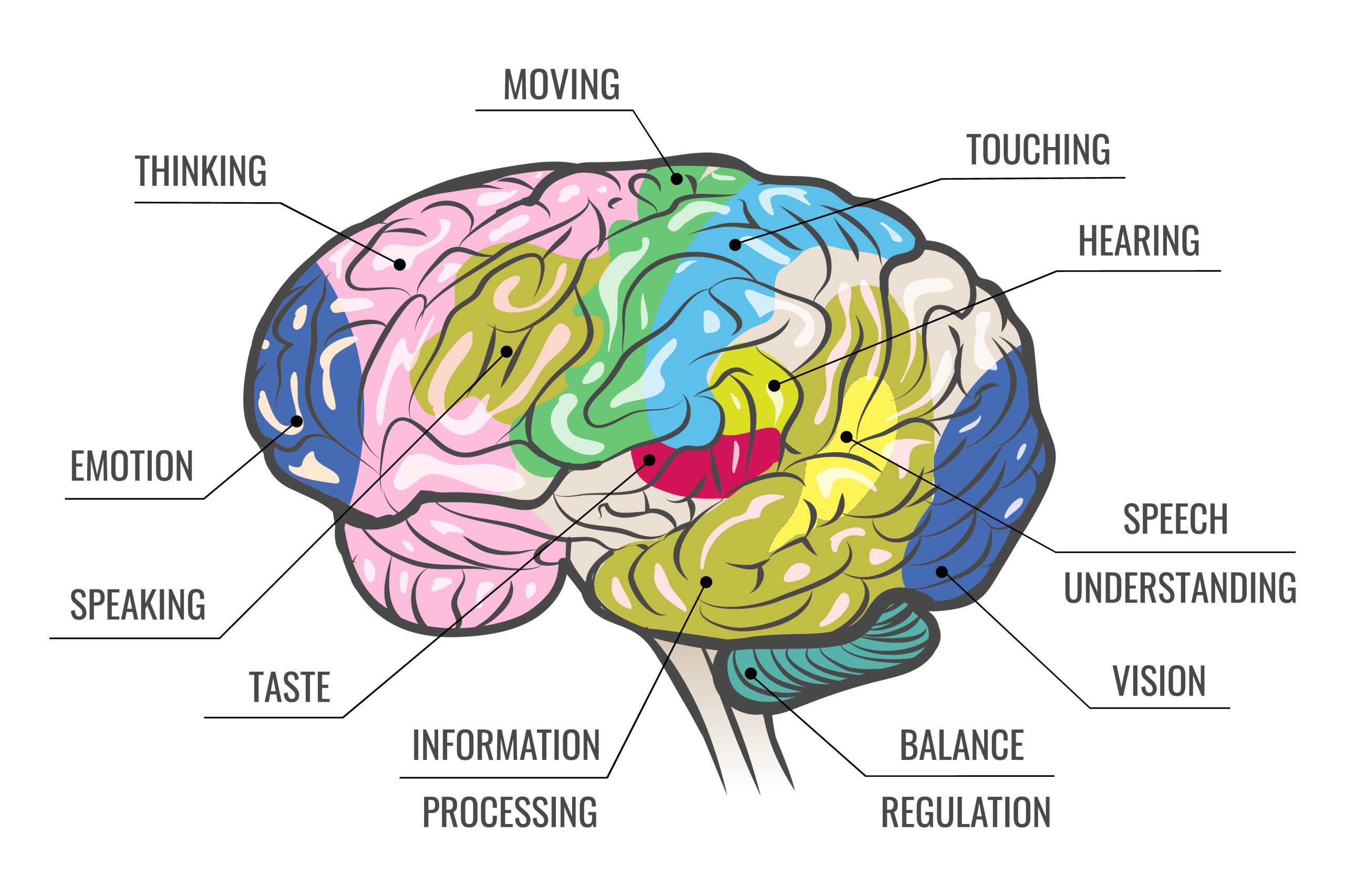
The brain’s replay works like a peculiar kind of data retrieval. Unlike machines that stash bits in fixed addresses, the brain encodes much of what we know through sensory experience. When a memory returns, it often comes back as something sounded or looked. Touch and taste are another story: without something happening on the skin or the tongue right now, it is much harder to conjure the raw sensation.
Try to remember an old pain. You can recall that it hurt, even how bad it was, but you usually cannot re-run the ache in the body. Taste behaves similarly: you can name a flavour, recognise it when it comes back, even crave it, but you rarely reproduce the full mouthfeel and chemistry of tasting only in imagination. What tends to survive is the label, the story, the evaluation, not the sensation as it was when it hit the receptors.
By contrast, many people can hear words or music inwardly, and can see scenes, faces, or diagrams in the mind’s eye. In ordinary waking life, sound and sight are the senses we most often fully replay in the inner landscape.
What we can reconstruct depends on what we have
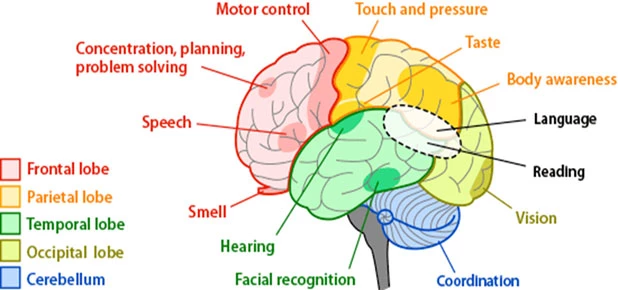
Our ability to mentally simulate a sense is tied to the hardware we still run on. People who lose vision sometimes report that, over time, visual dreams fade or vanish. The brain seems to stop rebuilding a channel it no longer feeds. That links memory tightly to ongoing capacity for that kind of perception, not only to old files on a disk.
Dreams widen the band for a while
The borders shift with conscious state. In dreams, many people report vivid touch, taste, or smell that feels real in the moment. Awake, without external input, the same senses are usually thin or absent in imagination, while hearing and seeing stay comparatively rich. So memory and imagination are shaped both by neural habit and by what the system can still model from the world it lives in now.
Thought as movement through stored sensation
When we think, we are often moving through a library of prior experience, wired as patterns and associations rather than as clean propositions alone. A recalled sound or image becomes a foothold for the next idea. That is part of why cognition feels continuous and layered: each replay can trigger another, building meaning over time in a way that is dynamic, sensory, and deeply embodied, even when the body is still.
None of this reduces the mind to a movie projector. It only suggests that when we ask how “thought” works, we should ask which senses the brain is built to re-enact while we are awake, which ones need the world to come alive, and which ones dreams borrow when the rules loosen for a few hours each night.